
Team SKM,
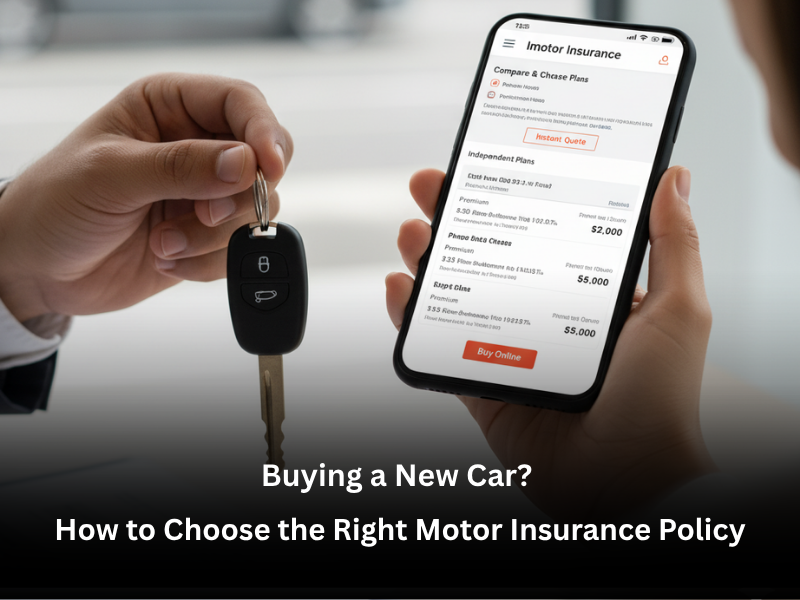
Many new car buyers end up paying more than necessary for their first motor insurance policy simply because they choose the plan offered by the dealership. While this often feels convenient, it is not mandatory and may not always be cost-efficient. Purchasing car insurance independently – either directly from an insurer or through digital platforms – can lower premiums and provide more control over coverage.
A Chartered Accountant – led review explains the key considerations for new buyers and the steps that help reduce long-term costs.
Do You Have to Buy Insurance from the Dealer?
The answer is no.
Dealers usually bundle an insurance policy at the time of vehicle delivery, but car owners are free to select any insurer of their choice.
Buying independently has two benefits:
- Lower premiums – direct policies often cost less because they avoid dealership commission.
- More choice – buyers can compare insurers, insured declared values (IDV), add-ons, and deductibles.
A typical difference: for a mid-range hatchback, an independent online quote can be 10–15% lower than a bundled dealer quote. Over time, savings increase further through no-claim bonuses, installation of anti-theft devices, and responsible driving behavior.
Even if a buyer initially takes the dealer’s plan for quicker delivery, the insurer can be changed at renewal without restrictions.
Buying Direct vs Buying Through a Dealer
When you purchase a policy directly:
- Pricing is more transparent
- Add-on covers can be selected based on actual needs
- IDV can be adjusted instead of accepting a preset number
- There is no commission markup attached to the premium
For example, two identical comprehensive policies for the same model can vary significantly in premium because online platforms allow a wider comparison of insurers, coverage limits, and deductibles.
Should You Consider a Long-Term Insurance Plan?
Many owners prefer the convenience of a multi-year motor insurance policy, especially for new cars.
Advantages include:
- No yearly renewal (reducing the risk of accidental lapses)
- Discounts for longer tenure
- Continued coverage without administrative reminders
The overall cost for a three-year comprehensive policy is typically 10–15% lower than three individual yearly renewals. The structure is simpler and helps maintain uninterrupted protection, especially important for new vehicles.
Third-Party vs Comprehensive Cover: What Works Better?
Every vehicle on Indian roads must have third-party motor insurance. It covers:
- Injury to others
- Damage to third-party property
- Legal liabilities
However, it does not cover damage to the policyholder’s vehicle.
A comprehensive policy covers both:
- Third-party liabilities
- Damage to your own vehicle – accidents, theft, natural calamities, and more
Comprehensive plans also allow important add-ons such as:
- Zero depreciation
- Engine protection
- Return-to-invoice
- Roadside assistance
For a new or mid-age vehicle, comprehensive insurance is financially sensible because repair costs can be significant.
For very old vehicles with low market value, a third-party-only plan may be sufficient.
A practical example:
If a car owner faces a ₹20,000 repair bill, a third-party plan offers no compensation. A comprehensive plan can cover most of this expense after deductibles. Saving a few thousand in premium rarely offsets the risk of a large repair cost.
When Does Third-Party Only Make Sense?
- When the car’s market value is very low
- When the cost of comprehensive premium exceeds the benefit
- When the owner is prepared to self-fund repairs
For newer vehicles, the financial exposure is high, and a comprehensive plan remains the prudent option.
Key Takeaways for New Buyers
- It is not mandatory to buy insurance from the dealer.
Independent purchase can reduce cost and widen choices. - Compare policies across insurers.
Evaluate IDV, add-ons, deductibles, and claim service quality. - Consider a long-term policy.
Saves money and avoids renewal lapses. - Choose comprehensive cover for newer cars.
Repair costs can be substantial, and the added protection is valuable. - Third-party only is suitable mainly for older vehicles.
A well-chosen insurance policy protects both the vehicle and the financial wellbeing of the owner. As with any financial product, informed comparison and clarity on coverage ensure long-term savings.