India’s tax system is entering a transition phase, and naturally, this is where most taxpayers begin to feel uncertain. With the new Income‑tax Act, 2025 set to come into effect from April 1, 2026, many individuals and business owners are asking a simple question: which law applies when filing returns this year? The concern is…
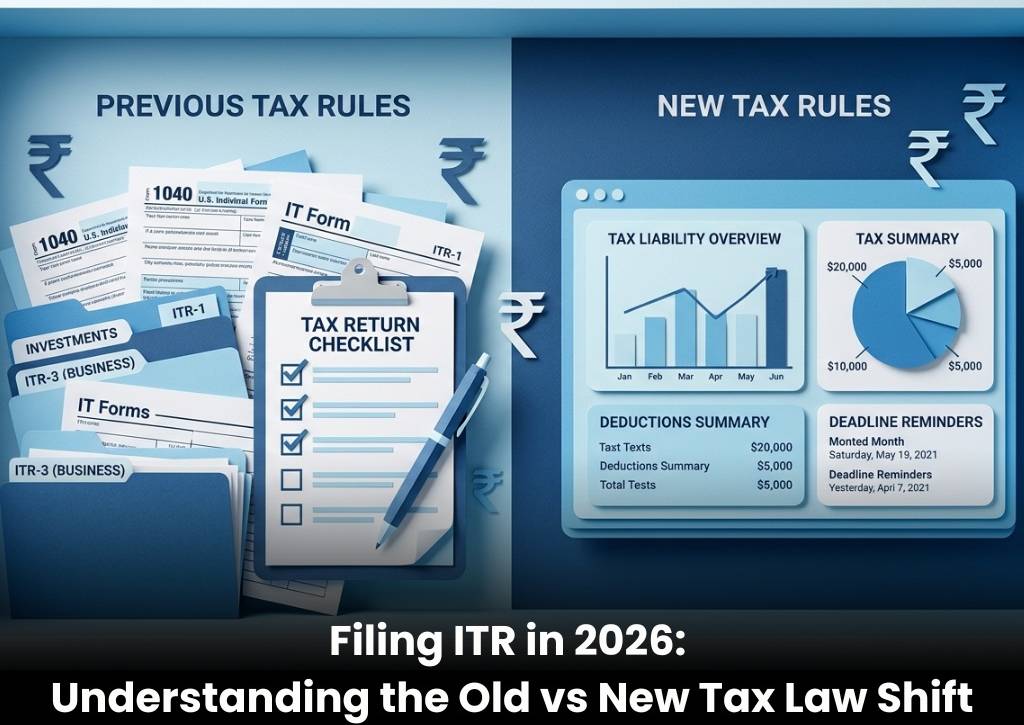
India’s tax framework is entering a transition phase.
Over the years, the Income Tax Act of 1961 has evolved through continuous amendments. While each change addressed a specific need, the cumulative effect has been increasing complexity. For taxpayers, especially businesses and professionals, this has translated into higher compliance efforts, interpretational confusion, and frequent disputes. The…
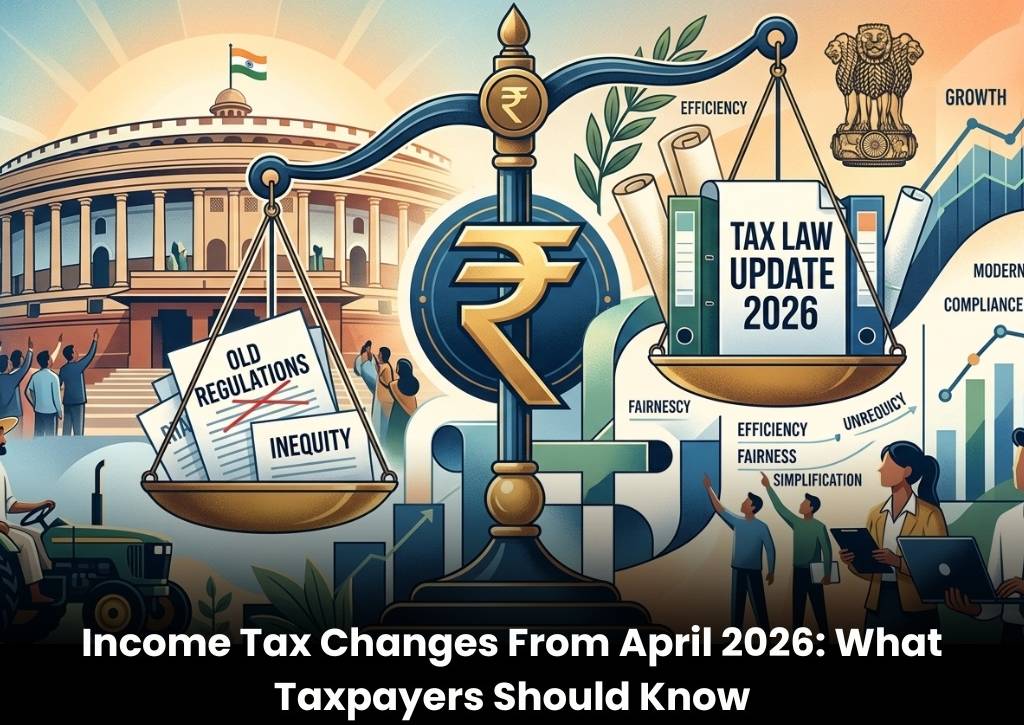
As the next financial year approaches, India’s direct tax framework is preparing for one of its most significant structural updates in decades. From April 1, 2026, the newly enacted Income-tax Act, 2025, will replace the long-standing Income-tax Act of 1961.
The objective is not to radically change tax rates. Instead, the focus appears to be…
As the financial year approaches its closing weeks, another compliance issue has quietly emerged for the restaurant industry. The Income-Tax Department has reportedly sent communication to around 63,000 restaurants across India, asking them to review and correct their income disclosures before March 31.
The emails are part of what officials describe as a “nudge” initiative.…
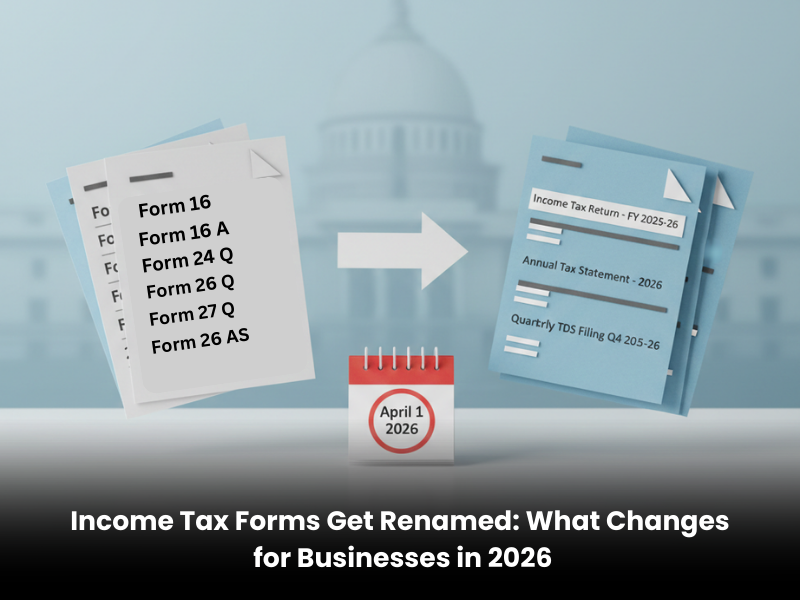
India’s tax system is set for a major update. From 1 April 2026, several familiar compliance forms, including Form 16, Form 16A, Form 24Q, Form 26Q, Form 27Q and Form 26AS, will be renamed under the Draft Income-tax Rules, 2026.
This overhaul is part of a broader effort under the Income-tax Act, 2025, to bring…
An income tax calculator is commonly used to estimate tax payable for a financial year. However, when used early and thoughtfully, it can also serve as a practical planning tool. It helps individuals understand how income, deductions, and investments interact, and how much surplus is realistically available for savings and long-term goals.
For salaried professionals,…
For individual taxpayers, 2025 delivered a clear contrast.
The Union Budget provided meaningful relief under the new tax regime, reducing tax outgo for a large segment of salaried taxpayers. At the same time, the Income Tax Department significantly intensified data-driven scrutiny through automated alerts, reconciliation checks, and faceless assessment processes.
The result was a year…
The third instalment of advance tax for FY 2025–26 is due on 15 December 2025. Taxpayers with estimated annual tax liability exceeding ₹10,000 must ensure compliance to avoid interest under Sections 234B and 234C of the Income Tax Act.
This instalment is critical, as it requires 75% of the total estimated tax liability to be…
When a family discovers gold jewellery in a parent’s locker after their passing, the first concerns usually relate to tax implications, documentation and whether selling the jewellery could lead to scrutiny. For most taxpayers, the key considerations are the reasonableness of the jewellery held and how capital gains will be calculated when the jewellery is…
Many taxpayers have not yet received their Income Tax Return (ITR) refunds for FY 2024–25 (AY 2025–26), and delays are more common this year. While smaller refunds may get processed sooner, larger refunds are undergoing additional checks, especially where discrepancies or mismatches appear in the return.
Why refunds are getting delayed
The Central Board of…
Many taxpayers are facing delays in receiving their Income Tax Return (ITR) refunds this year. The Income Tax Department allows individuals to track their refund status online using their PAN, either through the e-filing portal or the TIN-NSDL website. Understanding your refund status early can help you respond to discrepancies and avoid unnecessary delays.
Who…
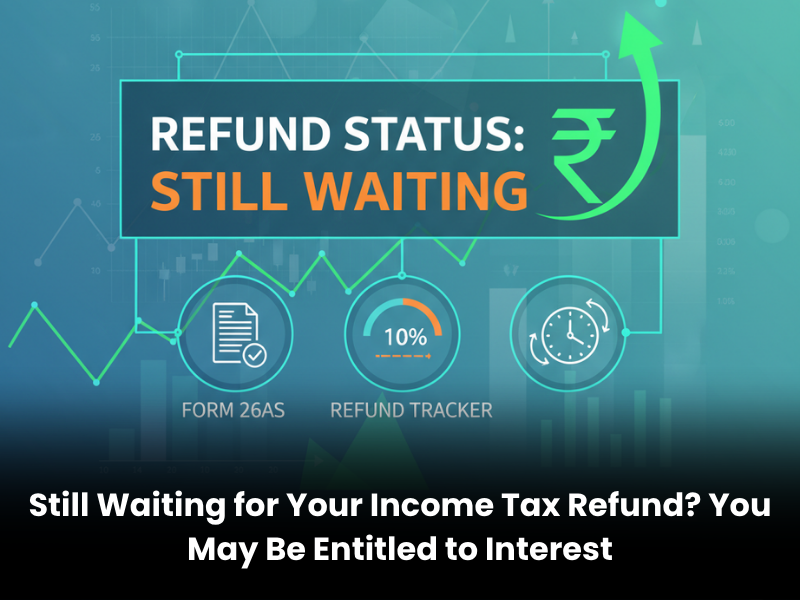
Many taxpayers who filed their returns on time are still waiting months for their income tax refunds. What often goes unnoticed is that in many cases, the government is legally required to pay interest on delayed refunds.
Below is a clear guide to when this interest applies, why refunds get delayed, and what steps taxpayers…