Salaried taxpayers in India often discover that their employer has applied the new tax regime for TDS calculations by default. However, this does not lock the taxpayer into that choice for the entire year. The final tax regime selection is made at the time of filing the Income Tax Return, allowing eligible individuals to switch regimes and optimise their tax liability.
Under current rules, employers are required to collect a tax regime declaration at the beginning of the financial year to compute monthly TDS. If no declaration is submitted, the new tax regime is automatically applied due to its default status and simplified structure.
Despite this, the Income Tax Act permits flexibility at the time of return filing, subject to certain conditions.
Can Taxpayers Still Switch Regimes While Filing ITR
Yes. Taxpayers can choose a different tax regime while filing their ITR, regardless of the regime used by the employer for TDS deduction.
For salaried individuals filing ITR-1 or ITR-2:
- they can switch between old and new tax regimes every financial year while filing their return
- the choice made in ITR will override the employer’s TDS selection
- if the old regime is more beneficial, eligible deductions and exemptions can still be claimed at the time of filing
For individuals with business or professional income filing ITR-3 or ITR-4:
- switching rules are stricter
- to opt out of the default new regime, Form 10-IEA must be filed on or before the due date, generally August 31, 2026 for AY 2026-27
- re-entry restrictions apply once a taxpayer moves between regimes
Why Employers Default to the New Regime
The new tax regime is considered the default system under Section 115BAC. If an employee does not communicate a preference, employers are required to apply it for TDS computation. This ensures standardised withholding, but it does not determine final tax liability.
The final tax position is always reconciled at the time of return filing, based on declared income, deductions and chosen regime.
Key Conditions Taxpayers Should Note
While switching is permitted, the benefit is subject to compliance requirements:
- accurate reporting of income and deductions is mandatory
- supporting documents may be required for claims under the old regime
- late filing may restrict certain regime-switching options, particularly for those with business income
Why Taxpayers Should Care
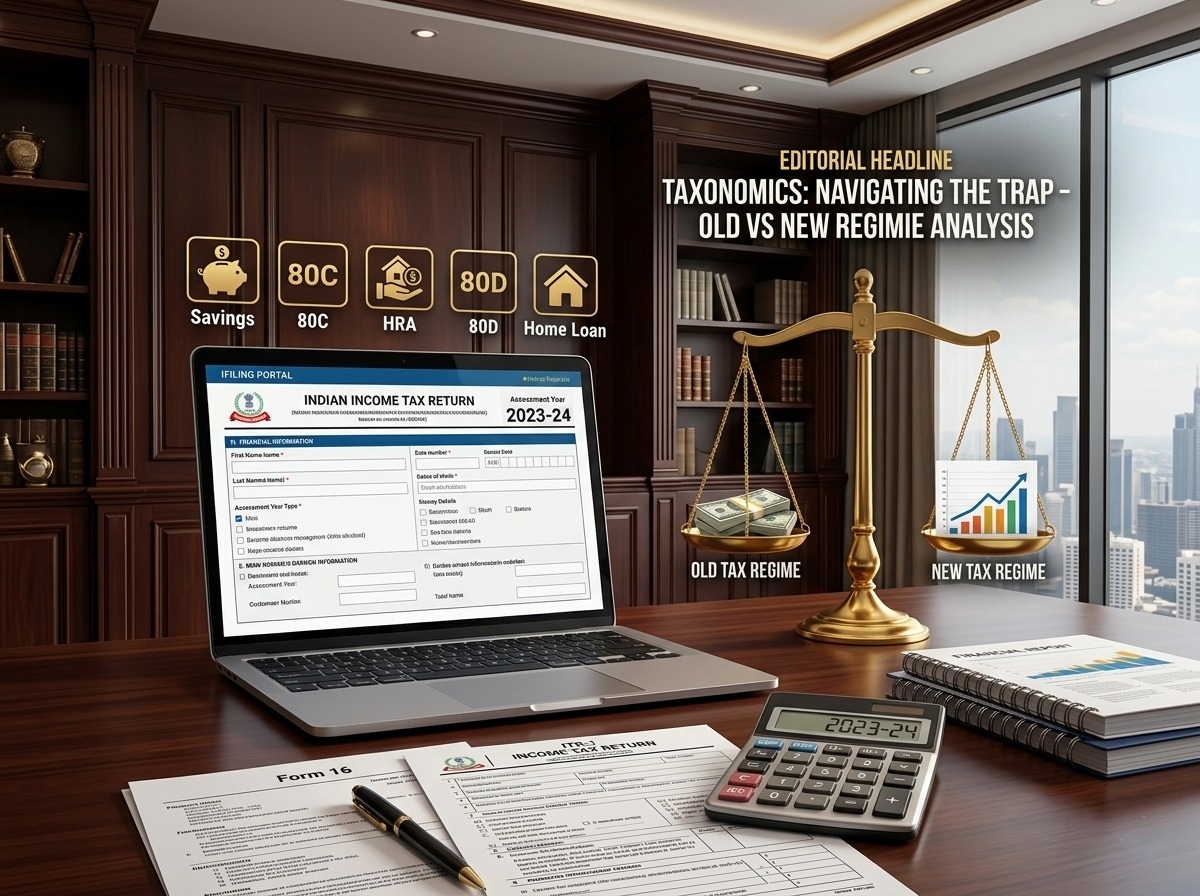
The choice between regimes can materially affect tax outgo, especially for salaried individuals with significant deductions under sections such as 80C, 80D, HRA or home loan interest.
A default employer choice should not be mistaken for a final tax decision. Reviewing both regimes during ITR filing can lead to:
- lower overall tax liability
- better use of eligible deductions and exemptions
- improved tax planning for future financial years
In many cases, taxpayers who actively reassess their regime at the filing stage are able to reduce their tax burden compared to relying solely on the employer-selected TDS structure.
Closing Perspective
The employer’s default application of the new tax regime is an administrative starting point, not a binding tax decision.
Salaried taxpayers retain the right to evaluate both regimes at the time of filing and choose the one that results in a lower tax liability. For those with meaningful deductions, this review can make a significant difference to the final tax outgo for the year.
The key is to act before the filing deadline, gather the necessary documentation and make an informed regime choice rather than accepting the default by omission.
This article is intended for general informational purposes and does not constitute tax advice. Specific applicability should be assessed based on individual income profile and applicable provisions for AY 2026-27.